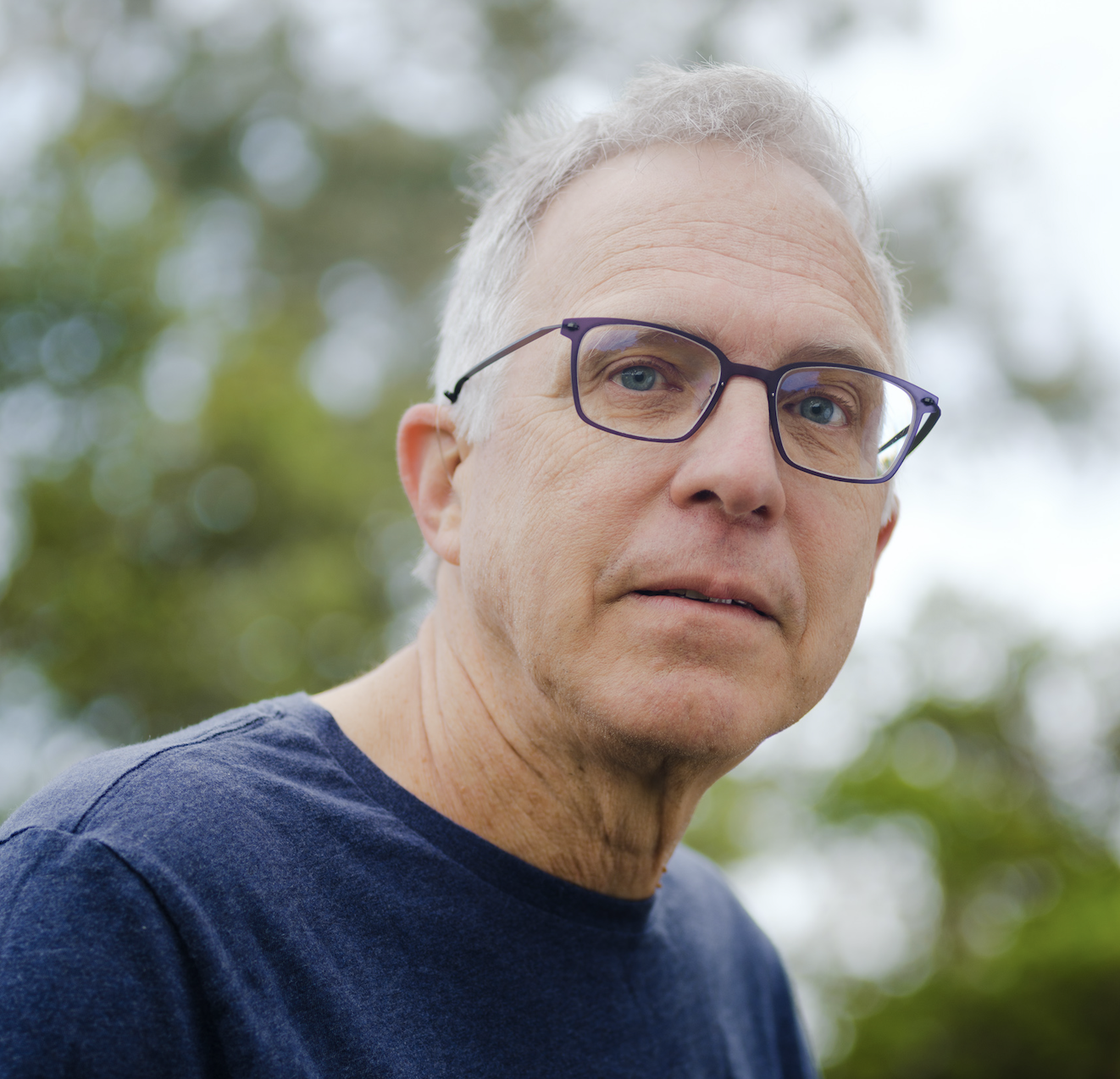
The Commonsverse as a Parallel Polis: Opportunities and Challenges
Below are slightly edited remarks that I delivered at a a workshop, "Beyond Liberalism: Commons, Constitutionalism and the Common Good," in Berlin, Germany, on May 31, 2023. The event was hosted by the Max Planck Institute for Comparative Public Law and International Law, the Heidelberg Law Department at the University of Würzburg, and The New Institute (Hamburg, Germany).
A video version of the talk (with my slides, two formal responses, and audience Q&A) can be found here: https://youtu.be/ckseZNahi84 My talk begins at the 5:32 timecode.
The Commonsverse as a Parallel Polis: Opportunities and Challenges
The dialogue provoked by this workshop is timely and necessary because so many of the certitudes of political economy and culture are slowly crumbling before our eyes. It's fair to say that so many grand narratives of our time -- about citizenship, freedom, property rights, economic growth, and theories of value – have been called into question these days. Existing institutions and categories of thought aren't working so well.
On the one hand, few people want to talk about structural change and necessary alternatives lest it open a Pandora's Box of monsters and chaos. On the other hand, as we move more deeply into the danger zones of climate change, authoritarian nationalism, savage precarity and inequality, and institutional breakdown, we have little choice. We need to abandon some settled habits. We desperately need to find a new North Star and a more stable, wholesome order.
Today, I'd like to introduce the idea of the commons to you and suggest its enormous potential for re-imagining so many things – the capitalist political economy, state power, our social relations and hierarchies, our relations with the Earth, our inner lives. To be sure, this is a daunting proposition and a long-term project. We not only have to develop some very different social logics and institutional forms while entrenched in a problematic system. We also have to change ourselves. We have to find ways to overcome the unresolved traumas of capitalism, colonialism, and centralized state power whose norms we have internalized or repressed.
In my remarks, I'd like to suggest that commons and commoning can provide us with the scaffolding to reinvent a vision of the common good. It can help us develop more humane social practices and ethical behaviors at the cellular level, which, as they expand, can help us move beyond a world of capital accumulation, consumerism, and progress-through-growth.
To be sure, most commons today are dismissed as too small-scale, local and cash-poor to be significant. To the mainstream, they appear to be archaic oddities. Respectable opinion assumes that the market and state are the only two serious regimes for "getting things done." There is the “private sector” and the “public sector,” and not much else really matters.
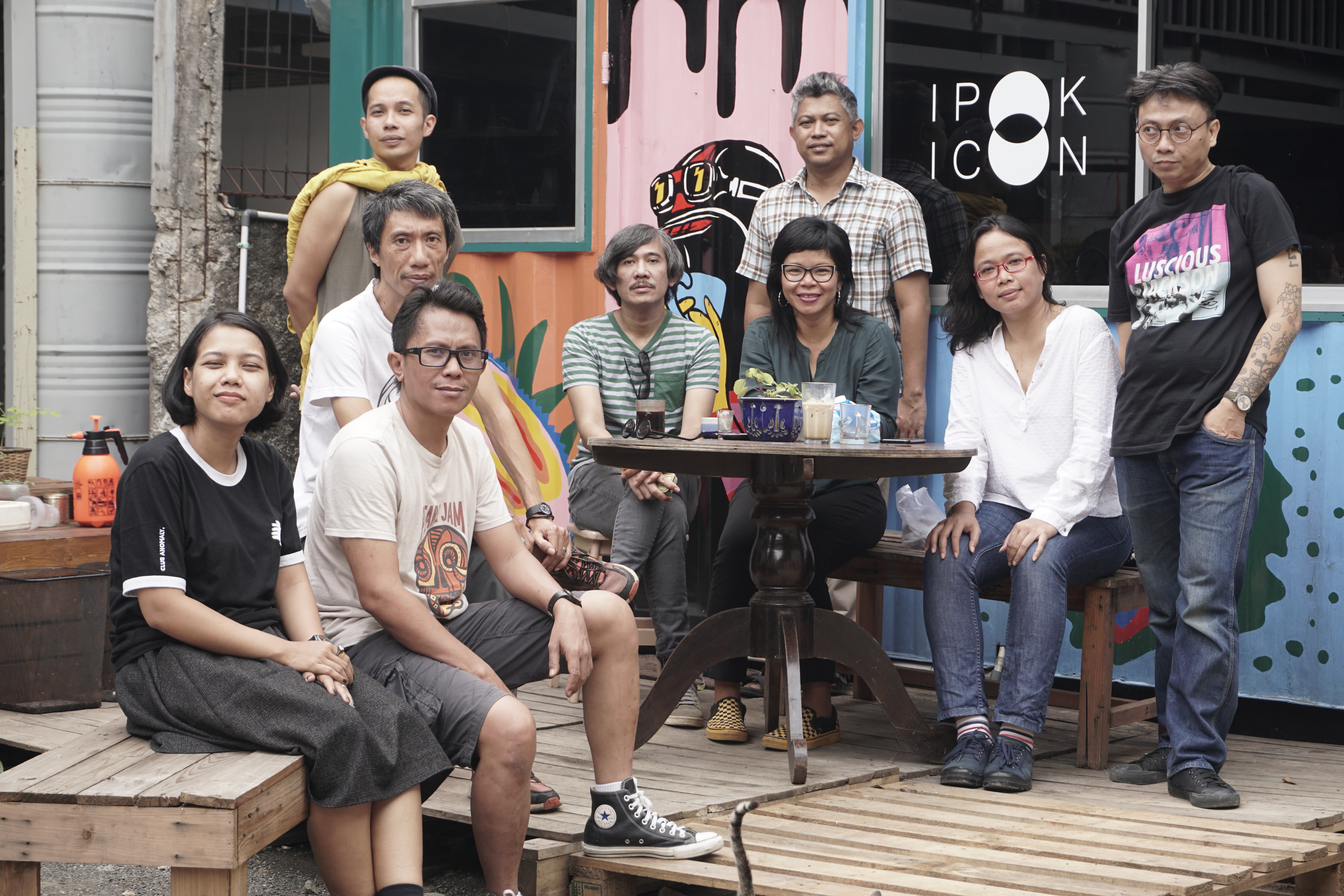
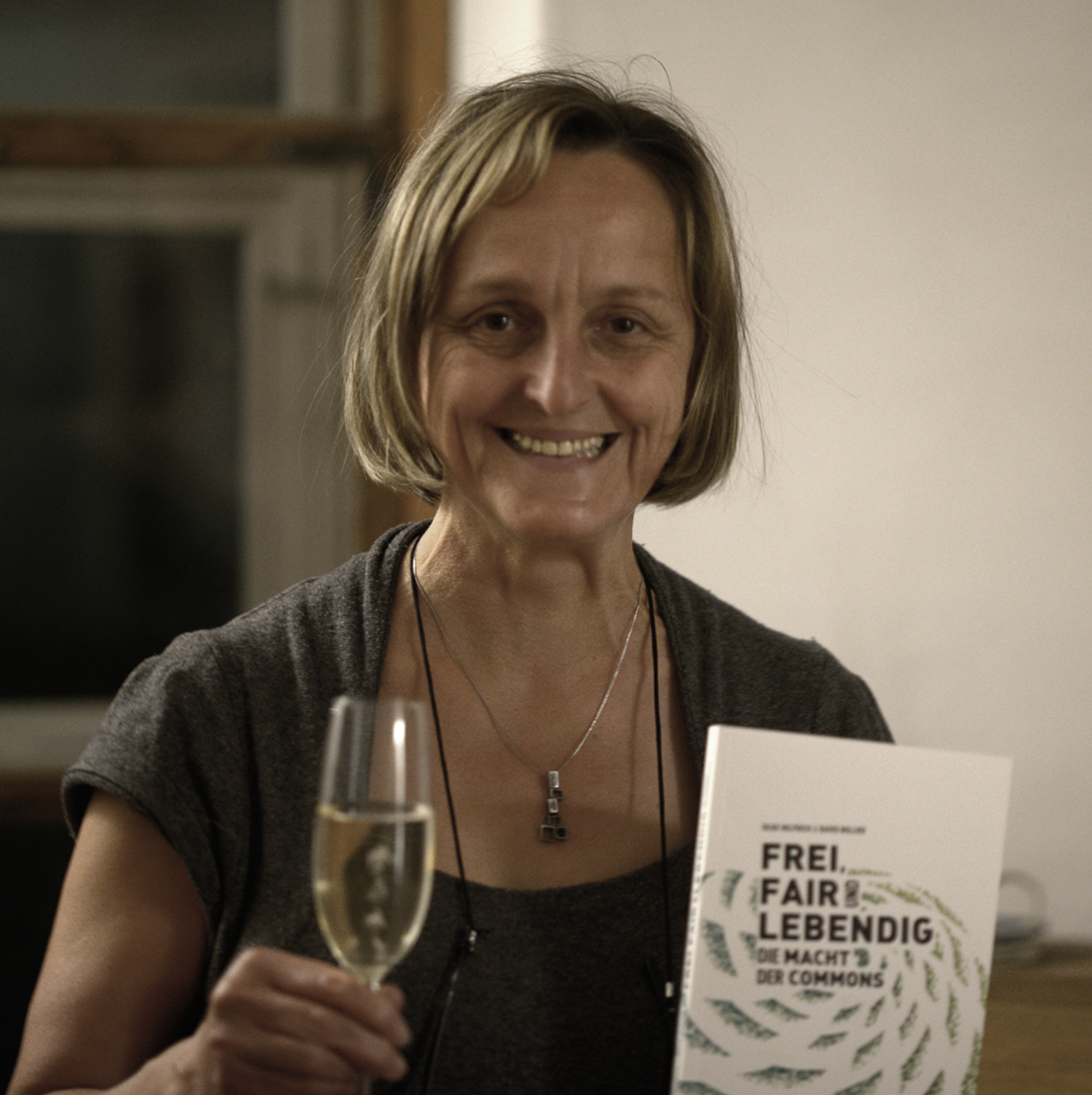


 The report consists of abbreviated versions of all ten keynote talks; brief summaries of the stream discussions; short overviews of each of the side events (with contact information for the hosts); a guide to the wiki resources on commons and economics; and an account of the Francophone network of commoners. Videos of the keynote talks have been posted






Recent comments