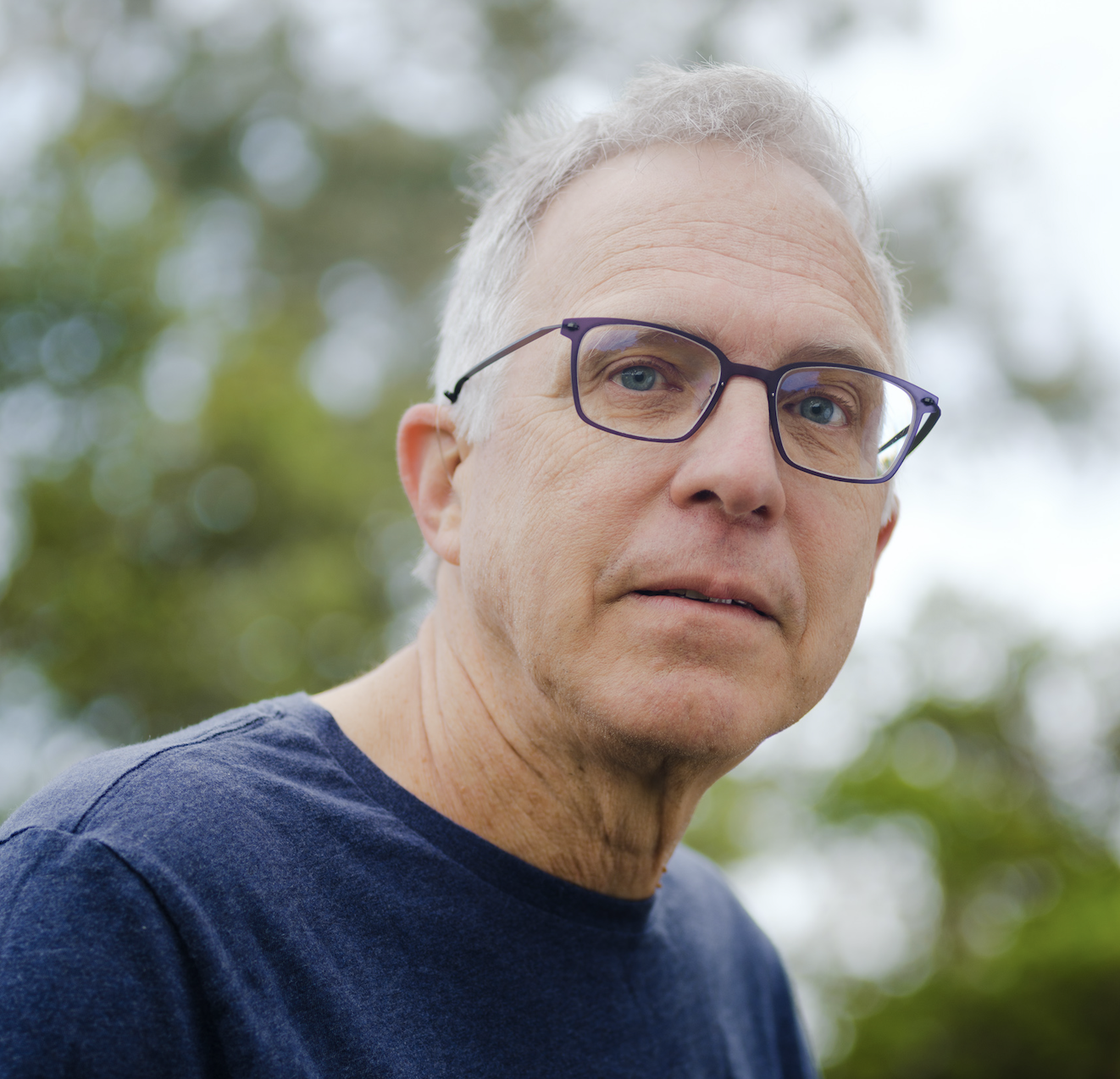
Geographer David Harvey on Urban Commons
Shareable.net has published a terrific interview with Marxist geographer David Harvey on the future of cities as a place for commoning. It’s a timely conversation now that many people believe that cities, not nation-states, will be the focus for economic and political renewal.
Harvey, the author of such insightful books as A Short Introduction to Neoliberalism, The Enigma of Capital and Rebel Cities, spoke with San Francisco activist Chris Carlsson, who is co-director of the multimedia history project Shaping San Francisco (a wiki-based digital archive at foundsf.org). Carlsson is also a writer, publisher, editor, and community organizer.
Shareable publisher Neal Gorenflo introduces the interview by noting that so much of the conversation about renewing cities ignores a basic reality: "The commons is the goose that lays the golden eggs. Without the commons, there is no market or future. If every resource is commodified, if every square inch of real estate is subjected to speculative forces, if every calorie of every urbanite is used to simply meet bread and board, then we seal off the future. Without commons, there’s no room for people to maneuver, there’s no space for change, and no space for life. The future is literally born out of commons."
Here are a few excerpts from Carlsson's interview with Harvey. Consider these passages a tease designed to get you to wander over to Shareable to read the entire thing.
- Read more about Geographer David Harvey on Urban Commons
- Log in or register to post comments
 become once more a ‘common treasury for all’. Change was to be brought about by the poor working the land in common and refusing to work for hire. The common people had ‘by their labours … lifted up their landlords and others to rule in tyranny and oppression over them’, and, Winstanley insisted, ‘so long as such are rulers as calls the land theirs … the common people shall never have their liberty; nor the land ever freed from troubles, oppressions and complainings’. The earth was made ‘to preserve all her children’, and not to ‘preserve a few covetous, proud men to live at ease, and for them to bag and barn up the treasures of the earth from others, that they might beg or starve in a fruitful land’ – everyone should be able to ‘live upon the increase of the earth comfortably’. Soon all people – rich as well as poor – would, Winstanley hoped, be persuaded to throw in their lot with the Diggers and work to create a new, and better society. To Winstanley, agency was key, for ‘action is the life of all and if thou dost not act, thou dost nothing’.
 w the Games™ seem more of an excuse for corporate branding and image-polishing than something that belongs to the athletes themselves or to Londoners.
 Both documents are now being shredded today with barely a peep of acknowledgment that centuries-old principles of human rights are being swept aside. Much of Chomsky’s talk is dedicated to his familiar critiques of US geopolitics and corporate globalization. But he has a few illuminating passages about the Charter of the Forest and modern-day enclosures, especially in the global South.
Recent comments