To outsiders, the Alps may conjure images of majestic mountain landscapes and carefree ski vacations. But to tens of thousands of people living in small Alpine towns, the challenges they face aren’t so different from those of many rural towns: How to meet basic needs and make the economy more resilient? How to deal with the worsening disruptions of climate change? How to assert greater regional control when distant, city-based politicians and investors push very different priorities?
Paradoxically enough, remote rural locations are precisely where a lot of exciting ecosocial and economic innovations are arising. Constraint tends to focus the mind and expand the imagination. It forces people to think creatively, leading to unexpectedly robust innovations.
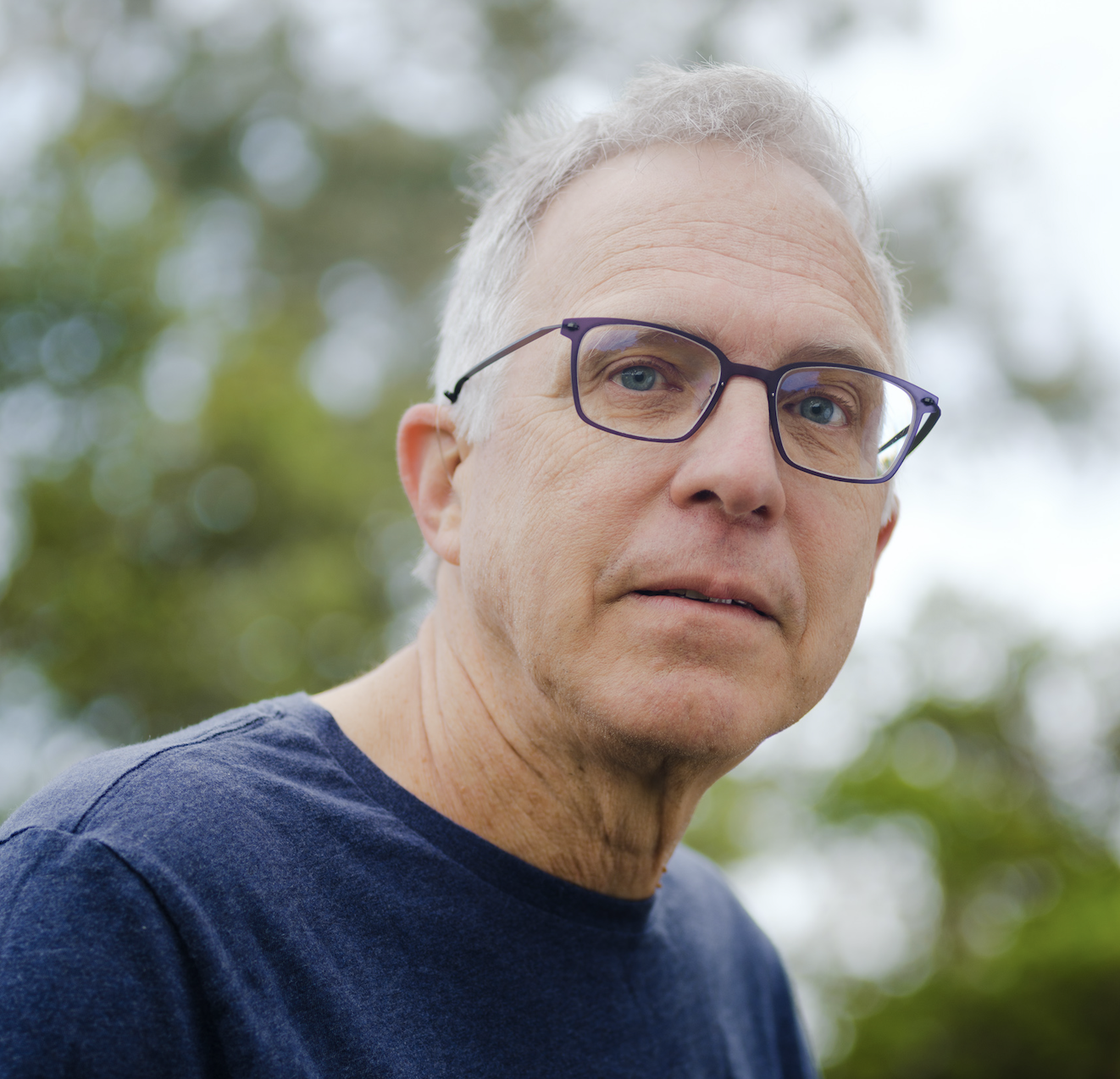
These were my conclusions after interviewing designer Bianca Elzenbaumer, the cofounder of an Italian community organization called Brave New Alps. The group began as a collaboration between Elzenbaumer and her partner Fabio Franz in 2005 when they decided to return to the region in which they grew up, the Vallagarina valley in the Italian Alps, near the Austrian border.
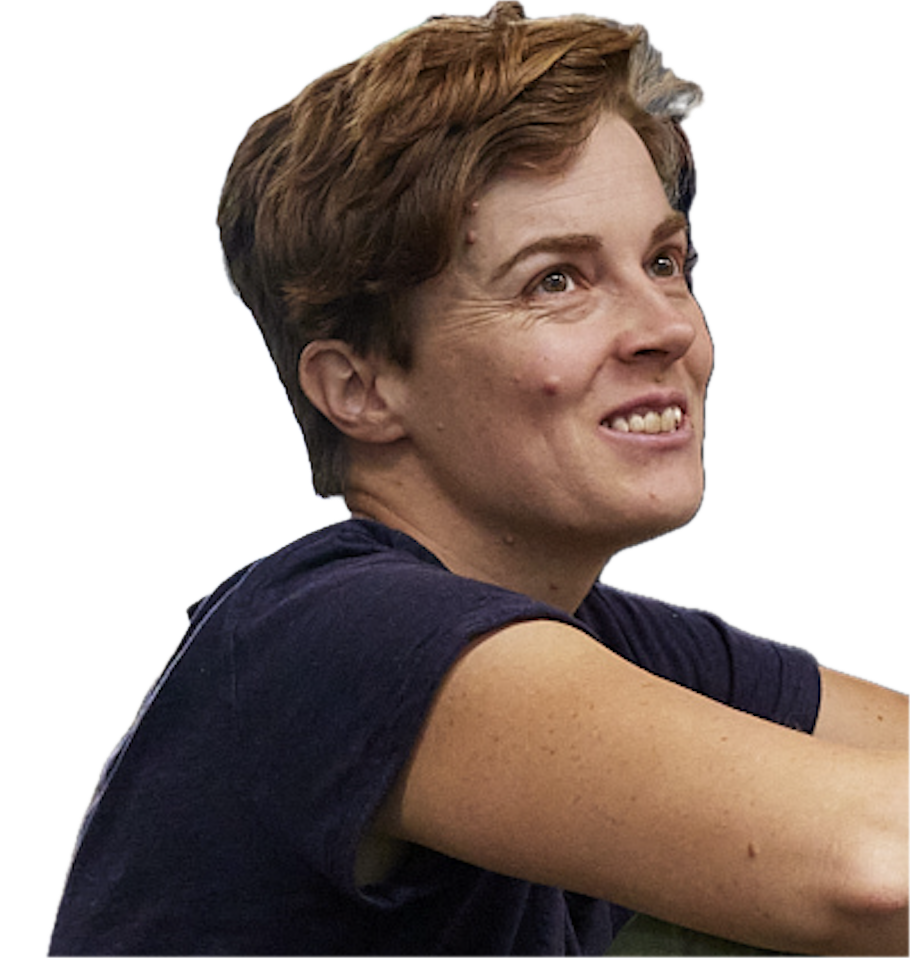
Elzenbaumer explained in an essay: “After having studied and worked as an eco-social designer across Europe and Palestine, my partner and I decided to dedicate our next 40 years studying how design can support commons and community economies” in a post-capitalist world.
By 2012, Brave New Alps had evolved into a formal “cultural association” dedicated to building community design practices that could “reconfigure the politics of social and environmental issues.” But their vision of development had a significant twist. They wanted to build systems that could operate beyond markets, such as commons, and to step outside the conventional client-designer framework in favor of participatory processes.
Intrigued, I interviewed Bianca Elzenbaumer for my latest podcast of Frontiers of Commoning (Episode #75) to learn more about the group’s very different vision of development. She explained that although Brave New Alps uses some traditional design research methods, it also looks to “radical pedagogy, feral approaches to community economies, and lots of DIY making and organizing.”
The accent is on taking people and circumstances as they are, and from that base, leveraging shared purpose and collaboration to do amazing work. Two statements of intention at Brave New Alps are entitled, “Hospicing Modernity Through Convivial Imperfection” and “Embracing the Aesthetics of Convivial Imperfection.” Another is called “Points of Orientation for a Move Beyond Precarity.”
While Elzenbaumer and Franz started their project in Franz’s parents’ home, they later found and co-created an improbable space for experimentation – the valley’s main railway station, Rovereto, in Vallagarina, Trentino. Stores and restaurants had already abandoned the station, but the building itself was sturdy and habitable, and indeed, lots of railway passengers still pass through it every day. With permission from the Italian rail service and a grant from the European Union, Brave New Alps converted the station’s spaces to host its many research and public-facing projects.
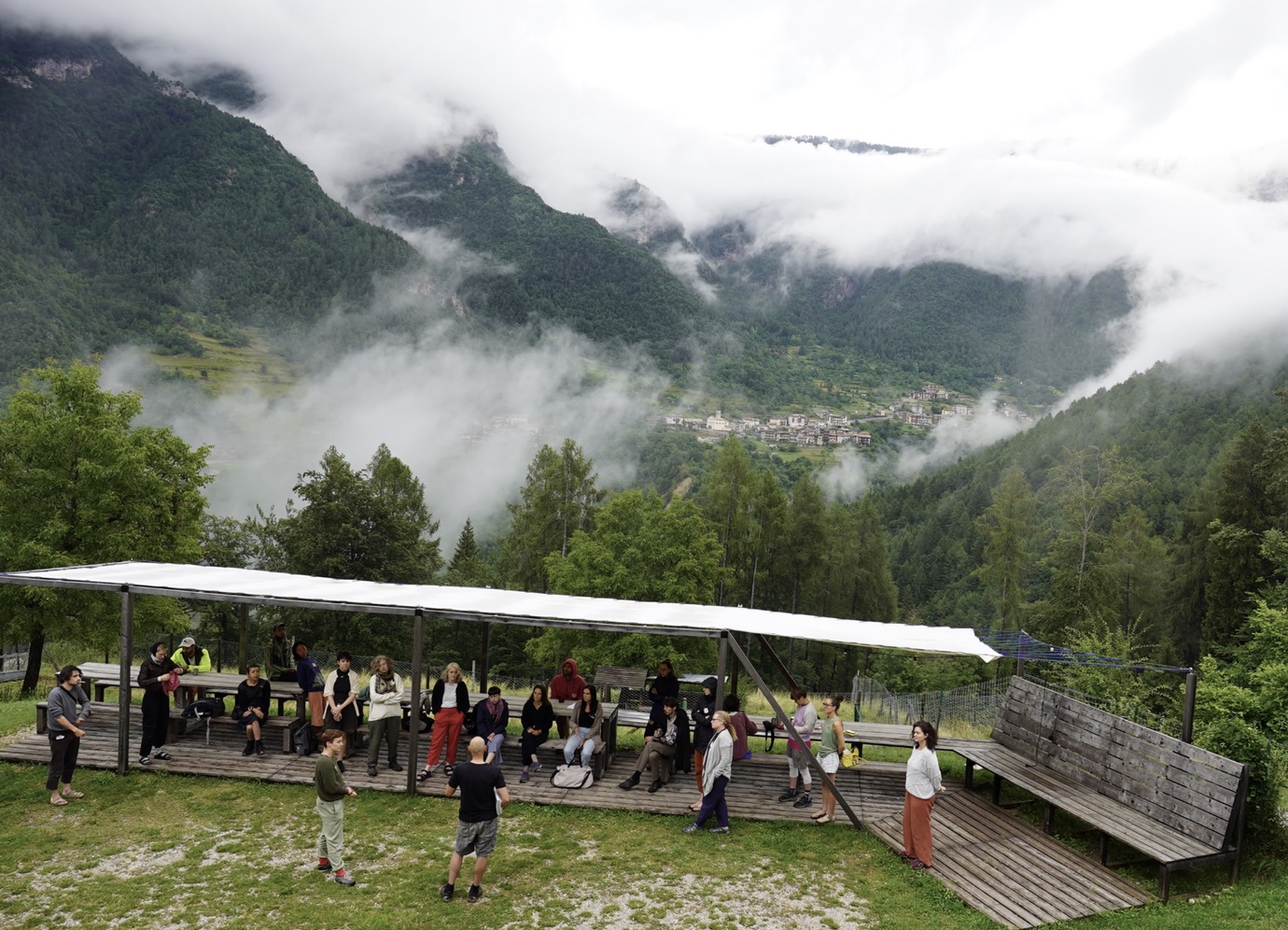
Some of its most prominent projects include a community academy called La Foresta; a public-civic hub for climate change and biodiversity called the Station for Transformation; and the Alpine Community Economies Laboratory, or ACE Lab, a project that “experiments with practices of commoning informed by feminist and posthumanist approaches to the economy, livelihoods and the world at large.”
Not surprisingly, these projects have unleashed a different energy for improving rural life than that offered by most policy experts, investors, and government officials. In a sense, Brave New Alps provides innovative R&D and public outreach that municipal authorities simply can’t imagine or readily implement. And yet the organization has a friendly working relationship with the town government.
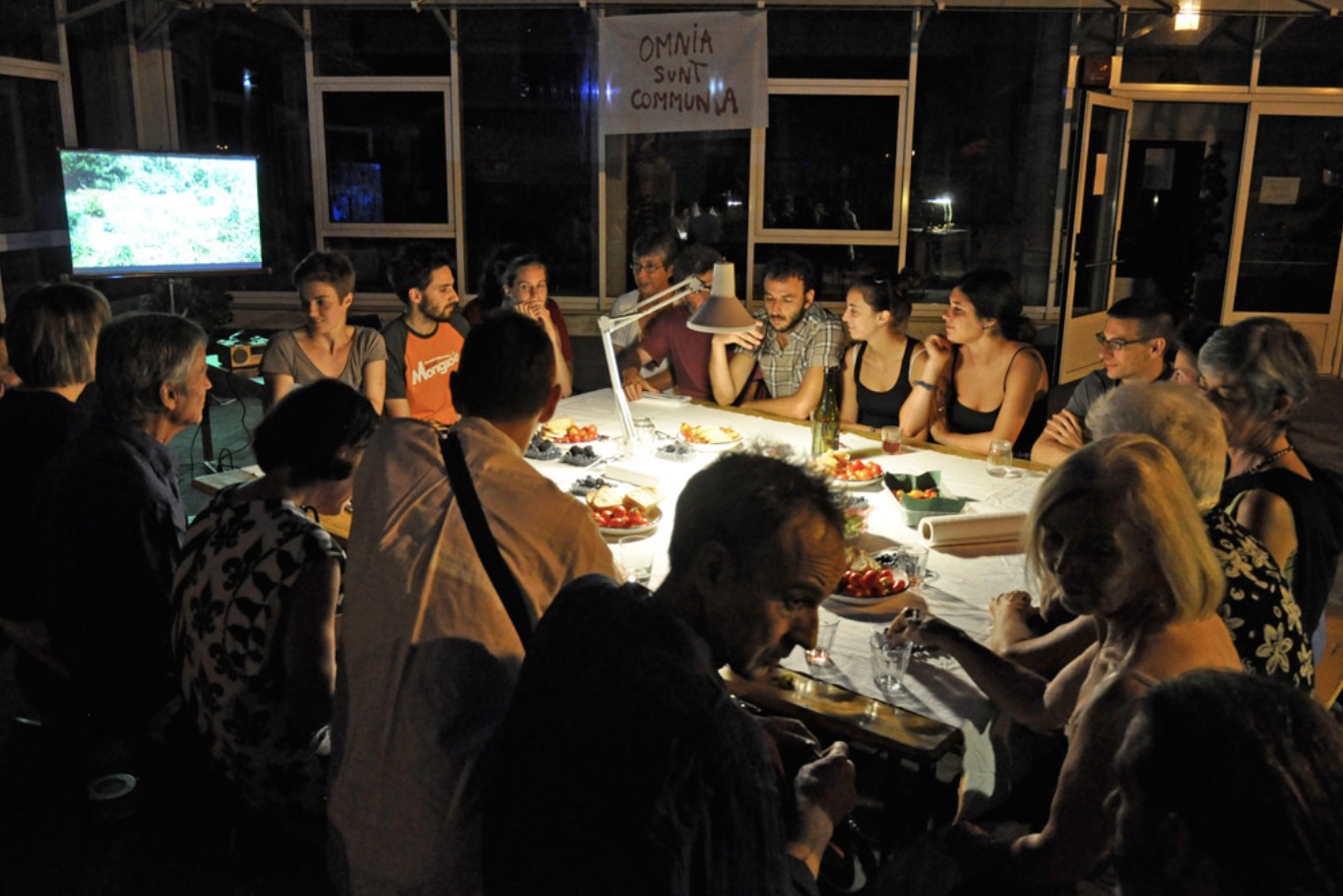
The La Foresta project functions as an open community of individuals and organizations working in their different ways to bring about eco-social transformation. The projects are cultural, artistic, economic, culinary, educational, research, and environmental in nature. Some involve mutual aid, others involve care services provided in non-bureaucratic ways, and still others involve hands-on production.
For example, La Foresta spawned a “participatory drinks” enterprise called Comunità Frizzante [“sparkling community”], which makes carbonated drinks using flavors from regional fruits, vegetables, medicinal plants, flowers, and berries. Through group sessions, the project experiments with different flavors to create new drinks, complete with names and labels.
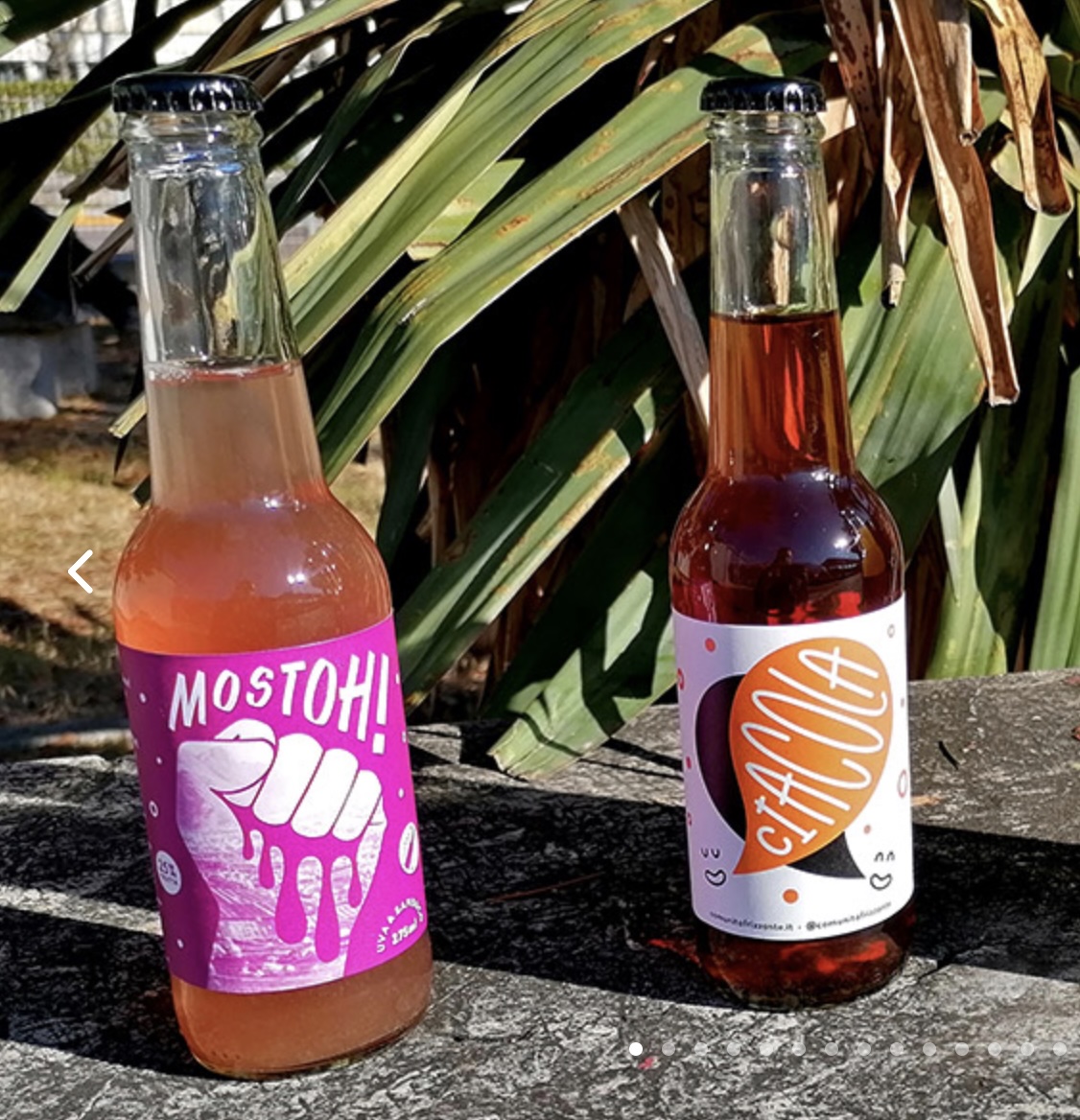
The venture than produces and bottles the drinks at a nearby food processing workshop, with an emphasis on recycling and minimum waste. Bottles are distributed at events and through a network of partners, with revenues reinvested to support inclusive activities in the valley.
Elzenbaumer said, “For us, making drinks was a process to make community and really get to know the valley, and also think about the valley together. What kind of valley do we want to have? What kind of future do we want to imagine for agriculture here?”
Another project, New European Bauhaus Meets Community Economies, has brought together grassroots initiatives that were finalists or winners of the New European Bauhaus Prize, a highly competitive award that honors innovative building projects that focus on sustainability, inclusiveness, and beauty. The project prioritizes social and ecological concerns, informal economic exchange, and acts of community care.
The Eco Lab fosters mental health and well-being by hosting “convivial practice” in non-stigmatizing spaces for anyone who wishes to participate. There are monthly outings in the surrounding areas and sessions for “repair and sewing, social gardening, carpentry, and cooking” led by local residents eager to share their passions and skills.
SEXyProject is a welcoming space for open dialogue about sexuality and emotional education, aimed at young people and teenagers.
Forno Vagabondo is a traveling community bakery that uses an oven on an electric cargo bike to bake bread and focaccia in various public squares, parks, and borders between city and countryside. The goal is to foster community relationships in public spaces while teaching the practice of breadmaking. The process also makes abstract ecological issues, like the source of grains and other ingredients, more tangible to people.
Skeptics may wonder how such heterodox experiments in commoning are funded. Elzenbaumer jokingly explained: “We have this slogan, ‘No money, no problem.’ It’s not completely true that no money is no problem. But it really helps us to remember, Don’t put the money first. Look first at what do we need, what do others need in this community, and galvanize people around those needs, but also the desires connected to those needs. And then, let the money come later.”
“And this is where we bring in commons and community economies, in theory and practice, to say, well, but we have each other. Every one of us has some resources to share, has something to contribute. Let’s work with that first.”
New initiatives arise from people’s “feral” enthusiasm for a project, their willingness to contribute, the open invitation to others to join, and a collective discipline in making things happen. Funders and institutions with in-kind support sense that energy and commitment. Somehow resources seem to materialize.
While this approach may sound counterintuitive and risky, the courage to engage with real needs and produce solid results has a power of its own. There is also power in recognizing that huge amounts of value quietly arise from outside of market economies and the state.
This is the notable insight of the famous iceberg image developed by the Community Economies Research Network. In standard economics, value is the visible tip of the iceberg -- wage labor, commodity markets, and capitalist enterprise. But beneath the water, the bulk of the iceberg features other, non-transactional varieties of value-creation -- social, local, informal, ecological -- which markets and state power cannot see or mobilize. These include neighborly assistance, barter, care work, open source collaborations, libraries, gifting, scavenging, and much else. Brave New Alps help mobilize these forces for commoning and change.
For more, listen to my full interview with Bianca Elzenbaumer here.
____________
For some videos about La Foresta’s work, see this video of the railway station and the La Foresta space; this one on La Foresta’s mental health work; and another featuring the town’s mayor talking about the EU-funded Station for Transformation project. (The videos are in Italian, but you can click the "Subtitles" tag and "Auto-translation" to get subtitles in English and other languages.)



Recent comments