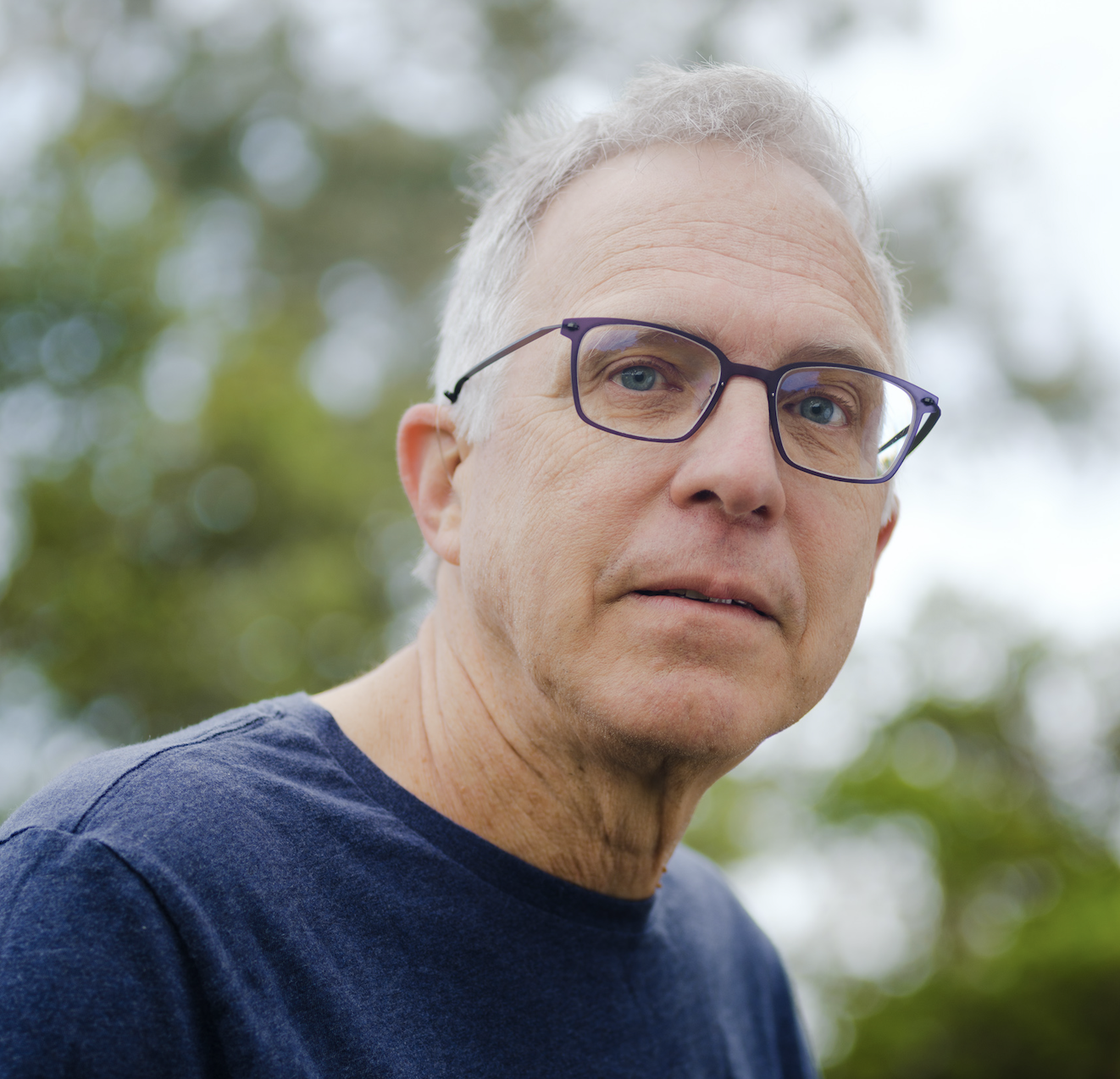
Dougald Hine on Commoning in the City

The Summer issue of STIR is rich with thoughtful, provocative articles on the commons: pieces on urban aquaponics and student housing coops, a how-to guide for saving the seeds from your tomatoes, instructions for sharing sourdough starter for bread-making, and more.
Two of the more arresting pieces in the issue are an insightful essay by Dougald Hine on “Commoning in the City,” and an interview with the British environmental activist George Monbiot on the concentration of land in England.
Hine is a British writer and thinker who has started the School of Everything and the Dark Mountain Project. Hine clearly appreciates that the commons disrupts the familiar thought-frames of conventional politics. He writes:
“Of everything I hear during these two days [at a Stockholm conference on “Commoning in the City”], the answer that most impresses me comes from Stavros Stavrides: ‘commons’ has become useful, he argues, because of a change in attitude to the state, a disillusionment with the ‘public’ and a need for another term to takes its place. The public sphere, public values, the public sector: all of these things might once have promised some counterweight to the destructive force of the market, but this no longer seems to be the case.
- Read more about Dougald Hine on Commoning in the City
- Log in or register to post comments
 become once more a ‘common treasury for all’. Change was to be brought about by the poor working the land in common and refusing to work for hire. The common people had ‘by their labours … lifted up their landlords and others to rule in tyranny and oppression over them’, and, Winstanley insisted, ‘so long as such are rulers as calls the land theirs … the common people shall never have their liberty; nor the land ever freed from troubles, oppressions and complainings’. The earth was made ‘to preserve all her children’, and not to ‘preserve a few covetous, proud men to live at ease, and for them to bag and barn up the treasures of the earth from others, that they might beg or starve in a fruitful land’ – everyone should be able to ‘live upon the increase of the earth comfortably’. Soon all people – rich as well as poor – would, Winstanley hoped, be persuaded to throw in their lot with the Diggers and work to create a new, and better society. To Winstanley, agency was key, for ‘action is the life of all and if thou dost not act, thou dost nothing’.
 The 2008 financial crisis and the recent round of rising food prices on world markets have spurred much of the interest in buying up arable lands in poor countries. Food-insecure countries figure they should take care of their own future even if it means depriving commoners in poor nations thousands of miles away. So Saudi Arabia is spending $1 billion for 700,000 hectares of land in Africa for rice cultivation. South Korea is buying up 700,000 hectares of African land as well. India is assembling investment pools to buy up farmlands.
Recent comments