
Now Underway, a Neocolonial Land Grab on Barbuda
Since 1834, when slavery was abolished on the Caribbean island of Barbuda, land there has been owned as a commons. The entire population collectively owns and controls the land, not private owners and developers. That may be about to change – with all the catastrophic results usually associated with enclosure.
After Hurricane Irma devastated 90% of the island’s buildings last year, it forced virtually all 1,800 residents to relocate to nearby Antigua or cities like New York and Toronto. International investors, working with Prime Minister Gastone Brown, a former banker, decided it was a ripe time to invoke the Shock Doctrine. This is the idea popularized by journalist Naomi Klein to describe how the market/state collusion to exploit national crises to ram through predatory neoliberal policies, which would otherwise be fiercely resisted by the citizenry.
In a great piece of reportage in The Intercept (January 23, 2018), Naomi Klein and Alleen Brown describe how the island government is taking advantage of the diaspora of Bardua residents. With no one around, it is an opportune moment to try to privatize the land and eliminate the communal ownership that has existed in Barbuda for nearly 200 years. A senator on the island described the communal ownership as something that was “born in the bowels of slavery and continued to grow in the post-emancipation world.”
The ostensible goal of the privatization policy is to provide a humanitarian response to the hurricane by facilitating outside investment and development. But the real goal is to open the door to investors and developers, who have long resented the democratic limits on development on Barbuda. They are eager to buy up pristine Caribbean land at bargain-basement prices and spur standard-issue Caribbean luxury resorts and ancillary businesses. The most notable such investor is actor Robert De Niro, who plans to build a luxury complex called Paradise Found Nobu.
- Read more about Now Underway, a Neocolonial Land Grab on Barbuda
- Log in or register to post comments
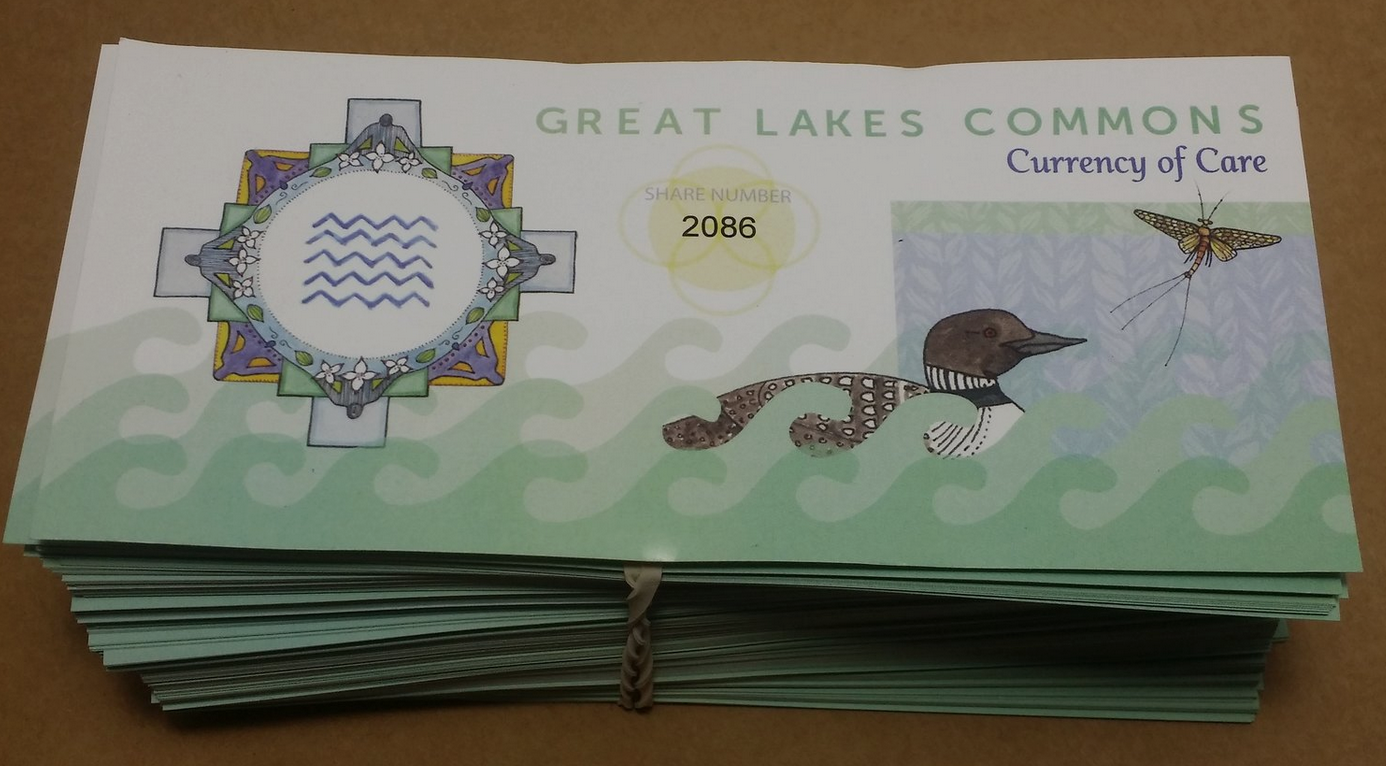 More than 5,000 individually numbered bills have been distributed, all of them due to expire at end of year. Why the expiration date? Because “this currency is for sharing not saving,” the currency webpage explains. “The value of this currency comes through its use -- its current. The rules of today’s dollar system rationalize hoarding and controlling money to make more money. The needs of healthy people and living water are denied not because there isn’t enough money in the world, but because it makes ‘sense’ to accumulate/hoard more and to spend it otherwise.”
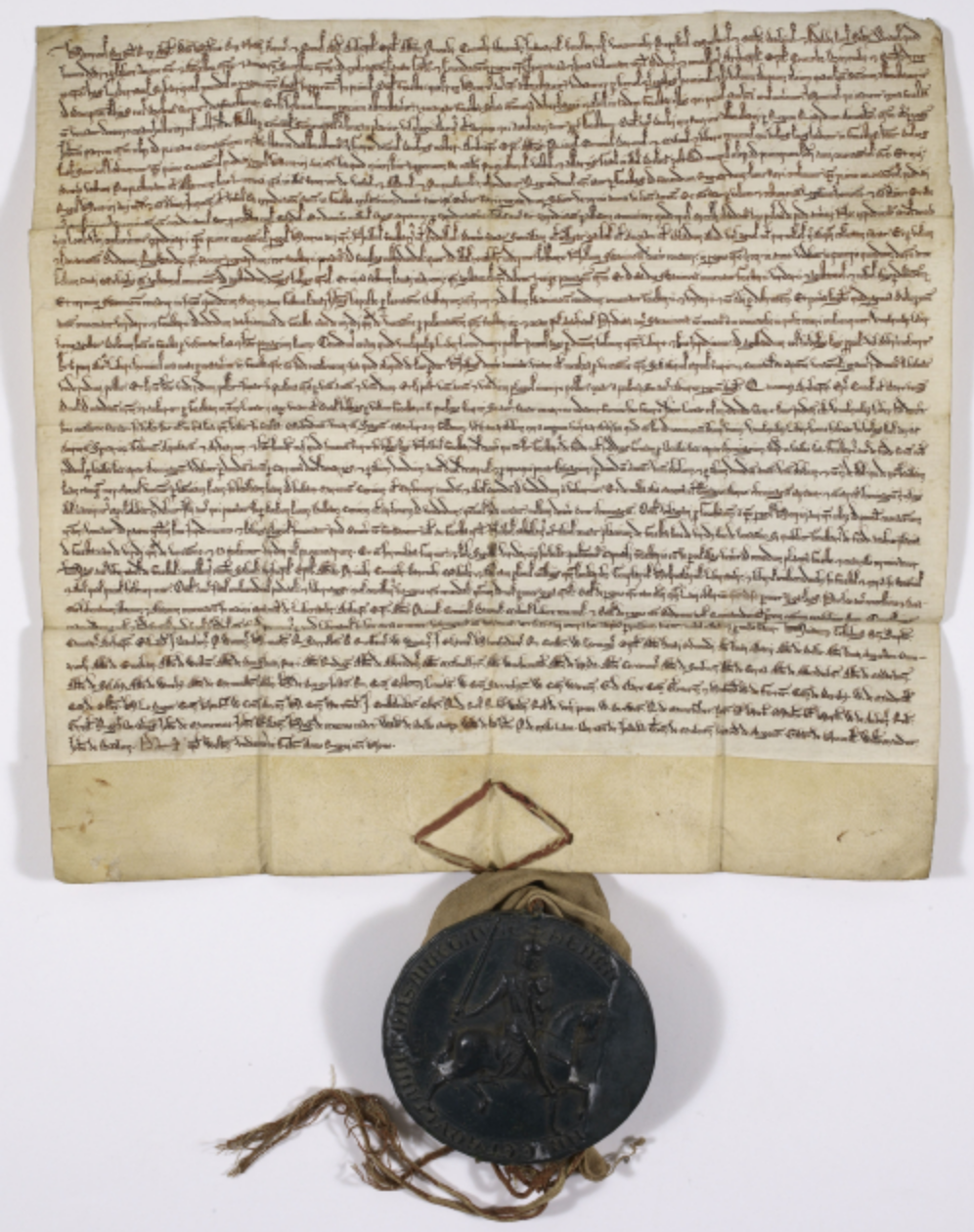
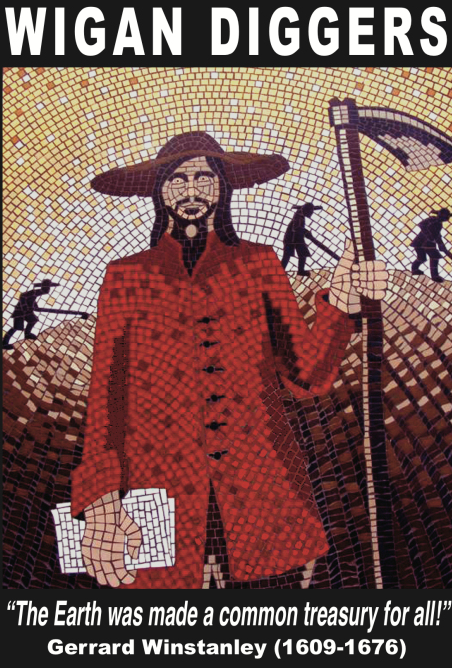 Below, I argue that the commons paradigm offers a refreshing and practical lens for re-imagining politics, governance and law. The commons, briefly put, is about self-organized social systems for managing shared wealth. Far from a “tragedy,”2 the commons as a system for mutualizing responsibilities and benefits is highly generative. It can be seen in the successful self-management of forests, farmland, and water, and in open source software communities, open-access scholarly journals, and “cosmo-local” design and manufacturing systems.
The 2008 financial crisis drew back the curtain on many consensus myths that have kept the neoliberal capitalist narrative afloat. It turns out that growth is not something that is widely or equitably shared. A rising tide does not raise all boats because the poor, working class, and even the middle class do not share much of the productivity gains, tax breaks, or equity appreciation that the wealthy enjoy. The intensifying concentration of wealth is creating a new global plutocracy, whose members are using their fortunes to dominate and corrupt democratic processes while insulating themselves from the ills afflicting everyone else. No wonder the market/state system and the idea of liberal democracy is experiencing a legitimacy crisis.
Below, I argue that the commons paradigm offers a refreshing and practical lens for re-imagining politics, governance and law. The commons, briefly put, is about self-organized social systems for managing shared wealth. Far from a “tragedy,”2 the commons as a system for mutualizing responsibilities and benefits is highly generative. It can be seen in the successful self-management of forests, farmland, and water, and in open source software communities, open-access scholarly journals, and “cosmo-local” design and manufacturing systems.
The 2008 financial crisis drew back the curtain on many consensus myths that have kept the neoliberal capitalist narrative afloat. It turns out that growth is not something that is widely or equitably shared. A rising tide does not raise all boats because the poor, working class, and even the middle class do not share much of the productivity gains, tax breaks, or equity appreciation that the wealthy enjoy. The intensifying concentration of wealth is creating a new global plutocracy, whose members are using their fortunes to dominate and corrupt democratic processes while insulating themselves from the ills afflicting everyone else. No wonder the market/state system and the idea of liberal democracy is experiencing a legitimacy crisis.
Recent comments