
Ohlone Park, the Urban Space Created by Commoning
It’s worth remembering how acts of commoning can have lasting consequences, including legacies that we may not even remember. Bernard Marszalek, who has lived in Berkeley, California, since the 1980s, brought to my attention the near-forgotten history of Ohlone Park in his city. The park is a fairly large patch of greenery that a forgotten corps of enterprising commoners in effect gifted to later generations.
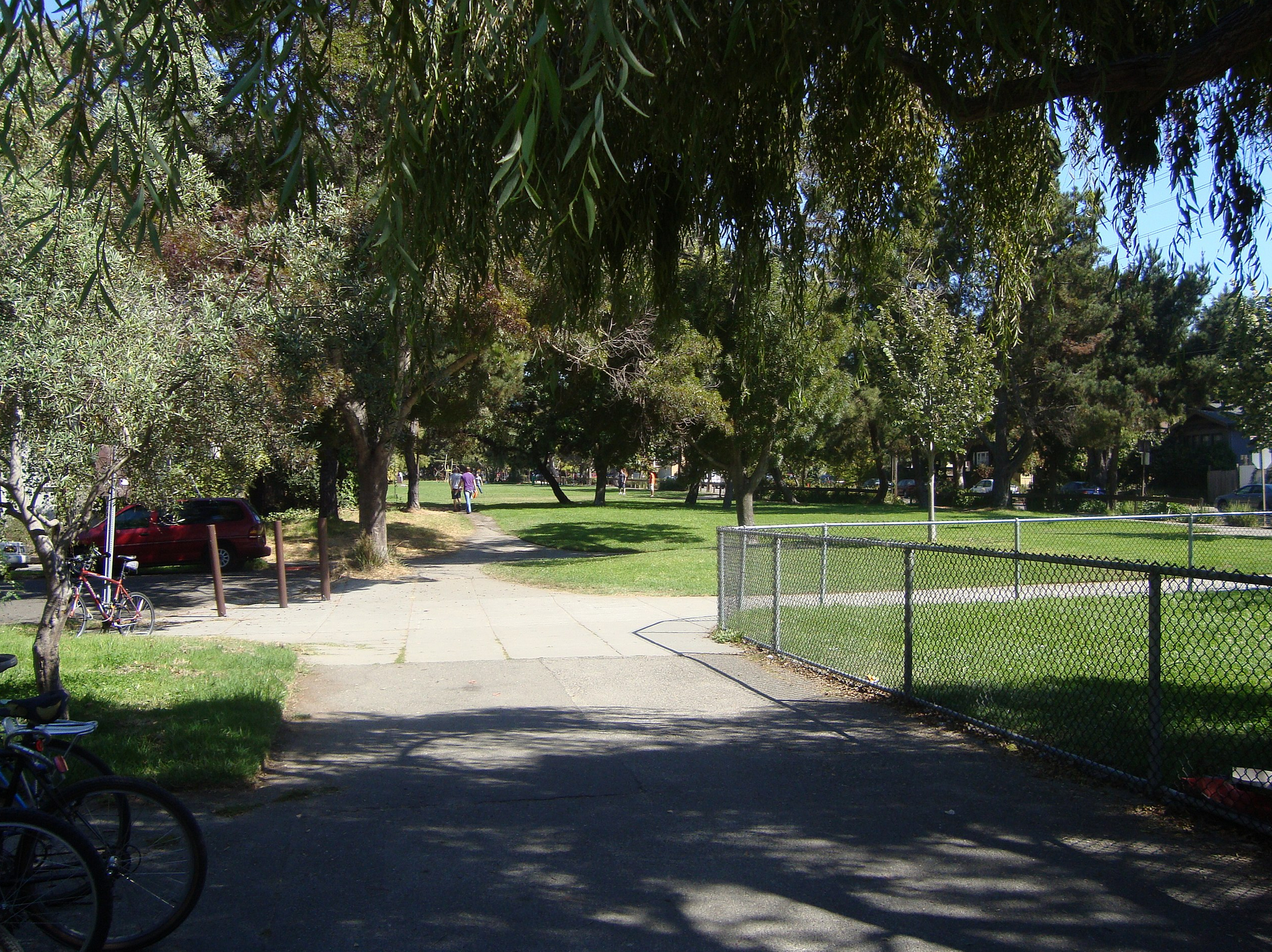
The time was 1969, and the Bay Area Rapid Transit (BART) authority had demolished 200 Berkeley homes in order to dig a trench for an underground portion of their rail system. As Marzalek tells it, “BART then filled in tons of dirt on top of the tube it built and in this way ‘reclaimed’ the land that it bulldozed. It strip-mined Berkeley to submerge the trains and above left four blocks along Hearst Avenue a barren, ugly field of dust in summer and mud in winter. An eyesore. BART officials said that they didn’t have funds (or mental bandwidth?) to develop it, that is, monetize it.”
A year later, writes Marzalek in his history of Ohlone Park, another unsightly mud pit emerged when the University of California razed a square block of homes with plans for building student housing. But it ran out of money, leaving another eyesore. “The south campus community believed that the university wanted to remove a dissident community of artists, lefties, and hippies that had lodged in the affordable housing on that site,” he wrote.
- Read more about Ohlone Park, the Urban Space Created by Commoning
- Log in or register to post comments
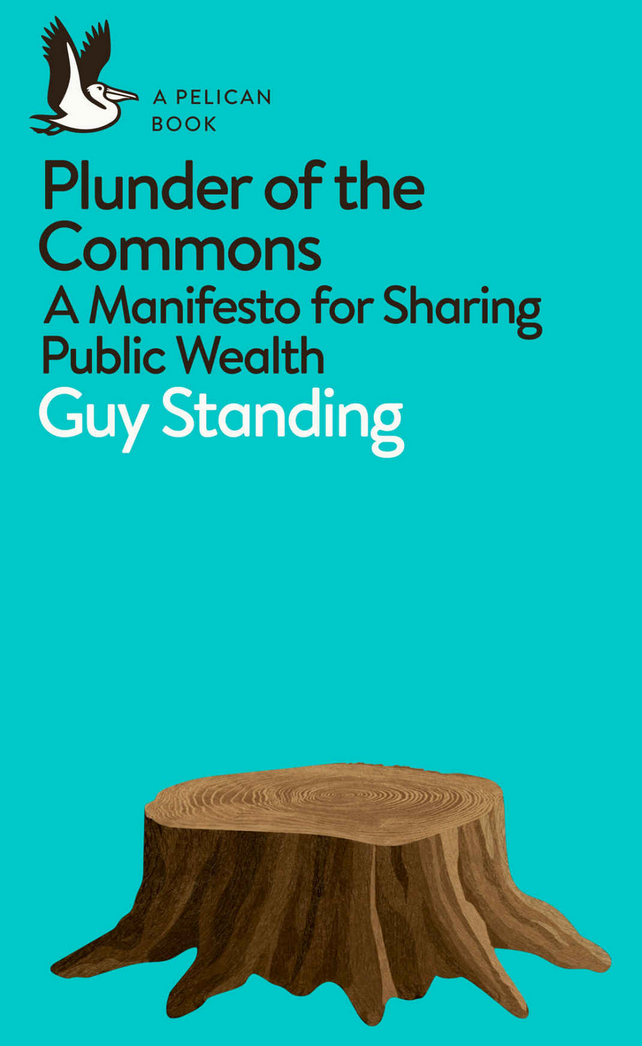 The commons has had a recurring role in the “deep history” of the United Kingdom, but generally it has been treated as something over and done with. It is not generally regarded as a timely political issue that affects everyone. A big salute, then, to Standing for finally providing us with a full-bodied treatment of British commons in both their grand historical sweep and their importance in contemporary politics. He has synthesized so many diverse strands that have made (and unmade) the commons over the centuries – law, land, property rights, economics, culture, knowledge. It all helps illuminate how vital commons are to a fair, well-functioning society.
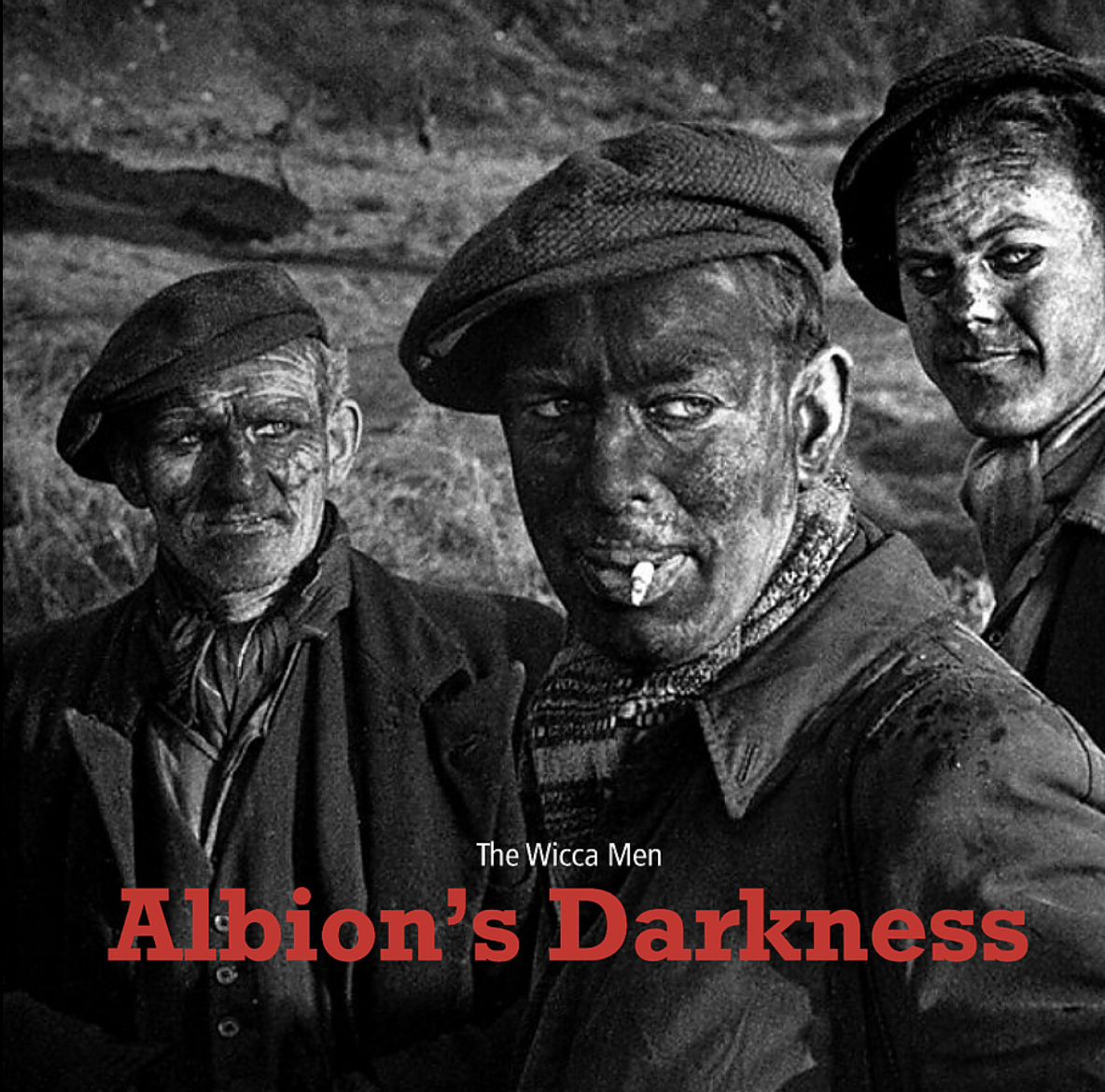 British songwriter and musician Adrian Renton decided it was time to confront the outrages of our time by resurrecting a classic form – folk protest music. Inspired by a 1960s album, “Moving On,” by Scottish musician Nigel Denver, Renton pulled together some friends from Essex, Berkshire and London to re-record some very old English songs. They also wrote some new songs in the same spirit of protest.
Recent comments